
The U.S. is big. Like, “your family is in three time zones” big.
And for a lot of people, that means your most meaningful moments don’t always happen in one place:
- a homecoming at the airport
- a reunion after deployment
- a graduation across the country
- a “we finally made it” road trip photo
- a FaceTime screenshot you saved because it mattered
If you’ve got photos like that sitting in your phone, this is your reminder: those aren’t just pictures. They’re proof of the people you love and the life you’re building.
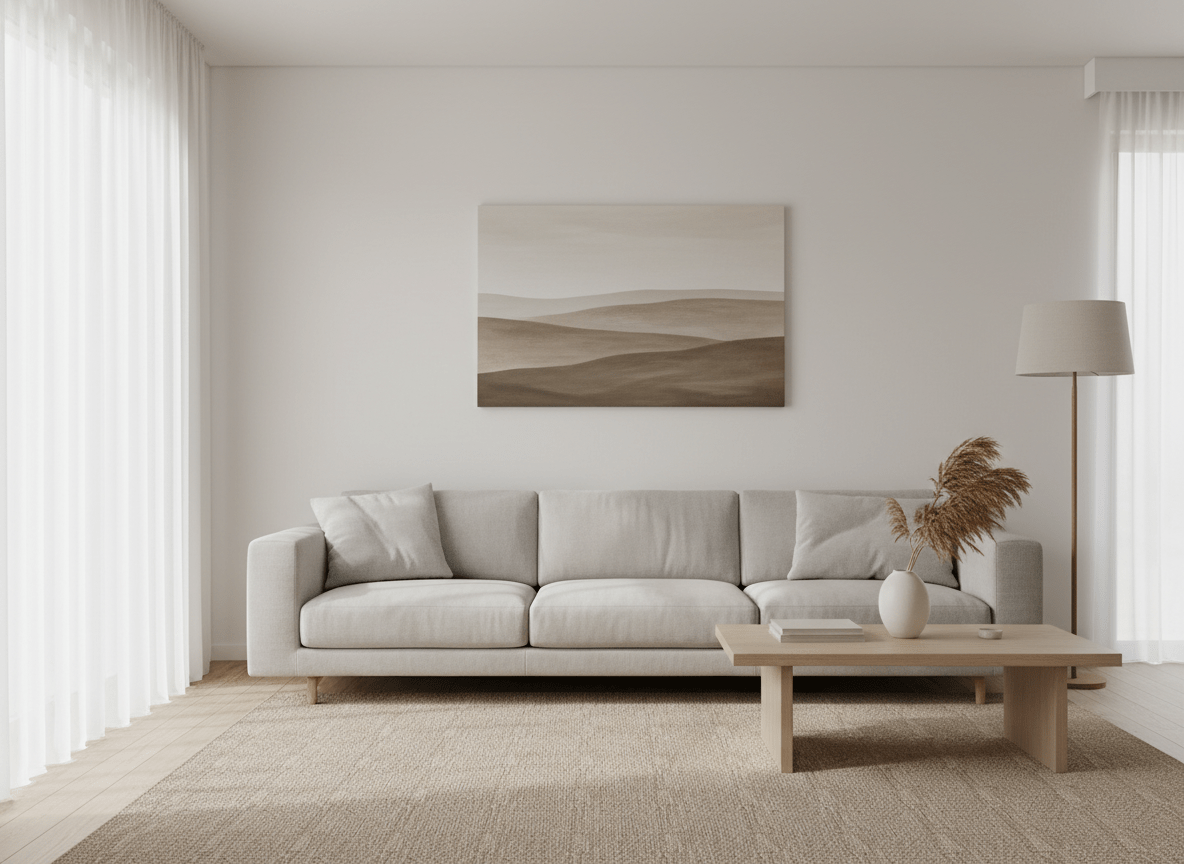
This post is a practical guide to turning those moments into museum-grade canvas prints—and building a wall that feels personal, warm, and timeless (not cheesy, not cluttered).
You’ll learn:
- what types of reunion/homecoming photos print best on canvas
- how to choose sizes that fit real American homes
- layout ideas for a “story wall” that looks intentional
- simple file tips so your prints come out sharp
Why homecoming and reunion photos belong on canvas
Some photos are “nice.” Others are core memory photos.
Homecoming and long-distance moments usually have:
- strong emotion (the kind you can feel through the screen)
- real movement (hugs, running, laughing)
- meaningful context (airports, driveways, front porches, uniforms, signs)
Canvas adds texture and depth, so the photo feels less like a quick snapshot and more like a piece of your family history.
Step 1: Choose the story you want your wall to tell
Before you pick sizes, pick the story. One sentence is enough.
Here are a few “USA wall story” options that work beautifully:
Story A: The homecoming wall
A series of photos from one reunion day:
- the arrival
- the hug
- the first meal back
- the quiet moment later
Story B: The long-distance love wall
Photos from visits, trips, and “we made it work” moments.
Story C: The family across states wall
A wall that connects people in different places—grandparents, siblings, kids, cousins.
Story D: The service + family legacy wall
A respectful, warm mix of:
- portraits
- candid family moments
- meaningful places
Pick one dominant story so the wall feels cohesive.
Step 2: The best photo types for canvas (especially emotional moments)
1) The candid hug
The best homecoming canvas is usually the one where nobody is posing.
Look for:
- faces turned toward each other
- hands visible
- movement blur that still feels sharp enough
2) The “place” photo
A driveway, a front porch, an airport gate, a welcome-home sign.
These photos add context and make the wall feel like a story, not just portraits.
3) The quiet detail shot
Boots by the door. A hand holding a coffee. A kid asleep on someone’s shoulder.
These make perfect smaller canvases that balance the wall.
4) The wide group photo (use carefully)
Group photos can work as a hero canvas if:
- the lighting is good
- faces are clear
- it doesn’t feel like a forced lineup
If it’s a “lineup,” use it as a smaller supporting piece instead.
5) The black-and-white portrait
If you want timeless and calm, black-and-white is a cheat code.
It’s especially good for:
- uniforms
- emotional portraits
- mixed-photo walls where colors don’t match
Step 3: Size your canvases for real American homes
The goal is to make the wall feel present and meaningful—without taking over the room.
Best hero sizes (living room / above sofa)
- 24×36: classic statement size
- 30×40: bigger impact for larger walls
Best bedroom sizes (above dresser or bed)
- 20×30: strong but not overwhelming
- 24×36: great if you have a wider wall
Best hallway sizes (story wall zone)
- 12×16 and 16×20: perfect for a “timeline” of moments
Best desk/office sizes
- 16×20: one meaningful piece you see every day
If you’re unsure, start with one hero canvas (20×30 or 24×36) and build around it.
Step 4: Layouts that look intentional (not like you guessed)
Layout 1: The “Hero + Three” story wall
- 1 large hero canvas (the main hug/homecoming moment)
- 3 smaller canvases (details + context)
This layout feels like a short film on your wall.
Layout 2: The clean grid (calm, modern)
- 4 canvases the same size (12×16 or 16×20)
- even spacing
Grids are great if you want the wall to feel organized and peaceful.
Layout 3: The hallway timeline
- 5–7 canvases (12×16)
- arranged in a line
Perfect for: “first visit, second visit, homecoming, holidays, road trip, everyday life.”
Spacing tip: keep spacing consistent—about 2–3 inches between canvases.
Step 5: Make emotional photos print beautifully (simple editing tips)
Homecoming photos are often taken quickly—sometimes indoors, sometimes in harsh airport lighting.
Quick fixes before printing:
- lift exposure slightly so faces aren’t too dark
- reduce harsh highlights (especially overhead lights)
- add a touch of contrast
- keep skin tones natural (avoid heavy filters)
If you’re not sure, don’t over-edit. A clean, natural look prints best.
Step 6: Make sure your file is print-ready
Before you upload:
- use the original photo file (not a screenshot)
- avoid images sent through apps that compress heavily
- don’t crop too tight if you want a large canvas
If you only have a lower-resolution photo, you can still print it—just choose a size that matches the file quality.
Why museum-grade materials matter for legacy photos
These aren’t “just decor” photos. They’re the ones you’ll keep.
That’s why we use:
- premium cotton canvas
- pigment-based archival inks designed for long-lasting color
- handcrafted Canadian fir stretcher bars made in-house
The result is a canvas that looks rich now—and still looks beautiful years from now.
USA idea: create a “welcome home” wall near your entry
If you want your home to feel instantly personal, place your wall where life happens:
- entryway
- hallway
- near the kitchen
Do one hero canvas of the main reunion moment, then add smaller canvases over time.
It becomes a living wall—your story, updated as your life changes.
Ready to turn your photos into wall art?
If you’ve got homecoming, reunion, or long-distance photos you love, we’ll help you turn them into gallery-worthy canvas prints—handcrafted, museum-grade, and made to last.
Order online anytime and enjoy free delivery on every order.